Interview with Dan Reid, President of The Transportation Alliance: The New Era of Taxi, NEMT & On-Demand Mobility
A bit of background
The Transportation Alliance is one of the oldest transportation organizations in the world. For more than 100 years, it has represented taxi, limousine, paratransit, NEMT, and on-demand mobility operators across the United States and Canada.
Formerly known as the Taxicab, Limousine & Paratransit Association, the group recently rebranded to reflect the industry’s transformation. Today, most member companies manage a mix of services like taxi, NEMT, wheelchair-accessible transport, corporate rides, scheduled trips, and micro-mobility — all under a single operational umbrella.
Dan Reid has spent decades in the industry, helping companies modernize, comply with regulations, and maintain high service standards in a market that has undergone extreme disruption.

Interviewer: Dan, welcome. Could you share a little about yourself and how you became involved in the transportation industry?
Dan Reid: Of course. I’ve been in this industry for a very long time, long enough to see it go through multiple transformations. I started on the operations side: dispatching, fleet management, corporate accounts, paratransit, everything you can imagine.
Over time I joined the board of The Transportation Alliance, and eventually became its President. My goal has always been the same: help operators serve their communities better, stay compliant, and adopt technology in a way that actually improves their business, not complicates it.
Interviewer: The Transportation Alliance recently changed its name. Why was that shift necessary?
Dan Reid: Because the industry itself changed.
It used to make sense to divide companies into “taxi,” “limousine,” and “paratransit.” But real operators don’t fit cleanly into these categories anymore. Today, one company might run taxi services, NEMT contracts, school transportation, wheelchair-accessible vans, corporate mobility, and airport shuttles. So the name needed to reflect what operators truly do: transport people in many different ways.
The rebrand also helps cities, regulators, and partners understand that we represent the full spectrum of on-demand and scheduled mobility.
Interviewer: One topic you stressed strongly was consistency. Why is it such a critical issue for taxi and NEMT companies today?
Dan Reid: Because inconsistency is the number one reason customers leave — not price. You can survive being more expensive. You cannot survive being unpredictable.
Customers need to know that:
- the ride will arrive
- the ETA is accurate
- the driver is trained
- the vehicle is safe
- they can rely on you every time.
And this isn’t just a commercial issue. For NEMT operators, inconsistency means missed medical appointments, which can have very serious consequences. So yes, consistency is everything.
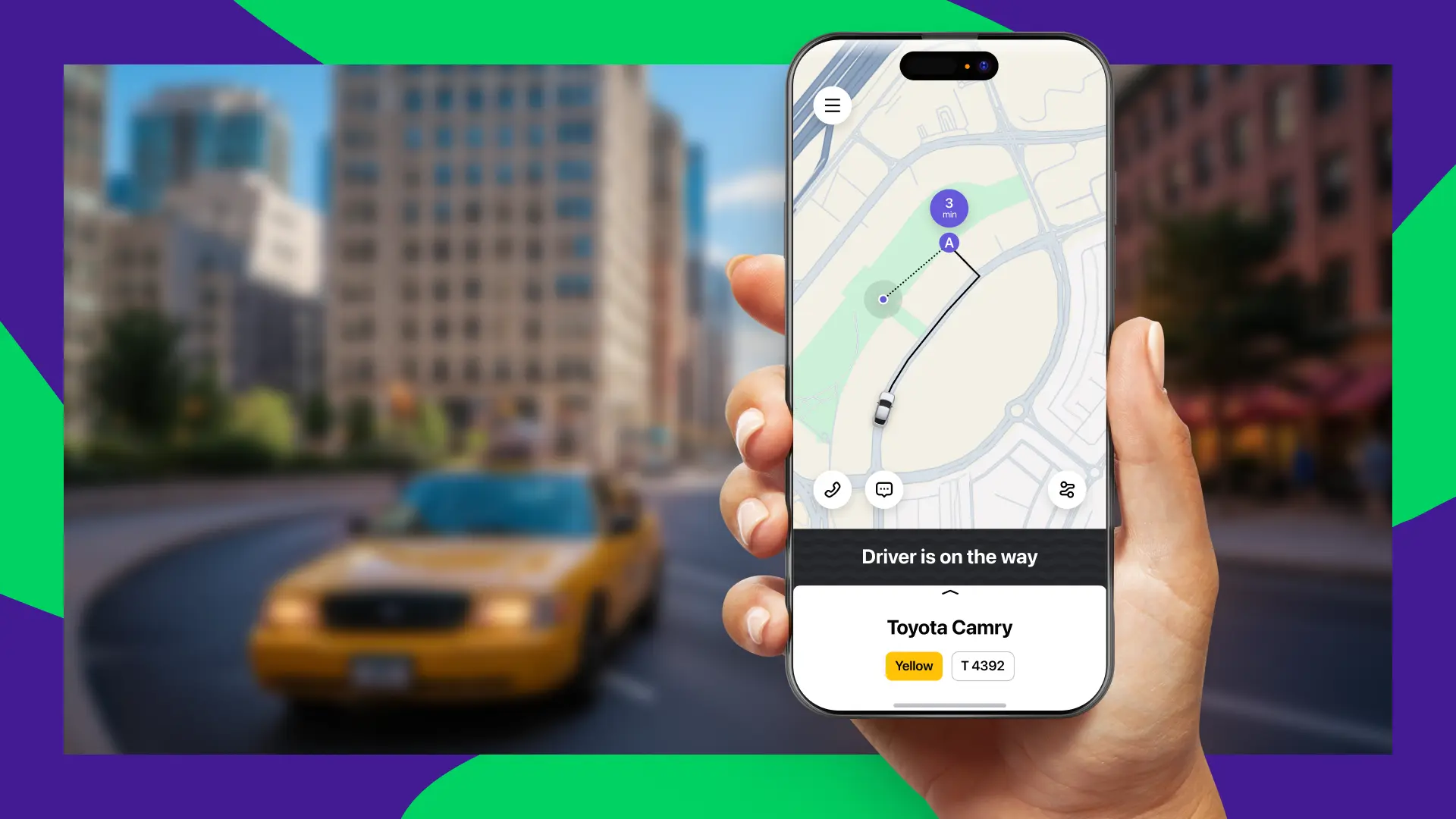
Interviewer: In your opinion, how has technology changed operators’ ability to deliver consistency?
Dan Reid: Technology is the game-changer. Full stop. A modern dispatch platform gives companies:
1. Visibility
You can see exactly what’s happening: which driver is taking which trip, when they’re arriving, whether they’re following SOPs.
2. Reliability
Automation removes human error — the number one cause of service failures.
3. Compliance
You can track driver documents, license renewals, trip logs, GPS, ADA requirements, insurance — all inside one system.
4. Accountability
If a customer says, “Your driver was late,” you check the data, not the guesswork.
5. Scalability
Manual operations hit a ceiling. With proper software, you can add zones, services, contract types, and vehicles without losing control.
Modern mobility runs on data, not on memory or paper.
Interviewer: From your perspective, what mistakes are operators still making when adopting technology?
Dan Reid: The biggest mistake is thinking technology alone will fix the business.
Software is a tool, it’s not a strategy. You'll still need trained drivers and dispatchers, safety protocols and compliance processes, clear KPIs, community relationships, and consistent branding. Technology amplifies these things but it can’t replace them.
Another mistake is choosing software without considering support. Operators need a technology partner, not just someone who sells an app and disappears.
Interviewer: You also mentioned how customer expectations changed after the rise of ride-hailing giants. What do taxi and NEMT companies need to compete today?
Dan Reid: As I see it, five key things:
1. A modern app experience. People expect to order a ride the same way they order groceries: through a clean, intuitive app.
2. Real-time communication. Passengers want to know where their car is, who the driver is, and what the ETA looks like.
3. Professional driver onboarding. You can’t throw drivers into the field with no training. This is transportation, not a gig hobby.
4. Data transparency. Companies need trip data, driver data, cancellation data, and operational analytics. You cannot grow blind.
5. Community engagement. Uber and Lyft don’t do community work. Local companies do. That’s a competitive advantage.
If you happen to combine all five, you can absolutely outperform big players.
Interviewer: Regulation is a huge part of this industry. How does TTA support companies with compliance?
Dan Reid: Every city has different rules, sometimes incredibly complex ones. We at TTA help operators:
- understand licensing
- prepare documentation
- work with airports and hospitals
- meet accessibility requirements
- build safety SOPs
- adopt compliant technology
- prepare for audits.
A lot of new founders underestimate regulation. They think it’s a “later” problem. But regulation defines your business model. Getting it right from day one saves enormous pain later.
Interviewer: You’ve seen operators survive multiple industry disruptions. What separates companies that survive from those that disappear?
Dan Reid: From what I've seen, three factors.
1. Professionalization
Operators who treat the business like a real enterprise, survive.
2. Embracing technology
Manual companies die. Automated companies scale.
3. Consistency over time
The winners are not the fastest. They’re the most reliable — day after day after day.
Interviewer: What would you like mobility founders to remember from your experience?
Dan Reid: That the industry is not dying, as some say. It’s transforming.
There will always be a demand for well-regulated services, trained drivers with local knowledge, NEMT with wheelchair transport, scheduled corporate work. Local operators matter. Community transportation matters. And with the right technology, they can absolutely grow and compete against global giants.
